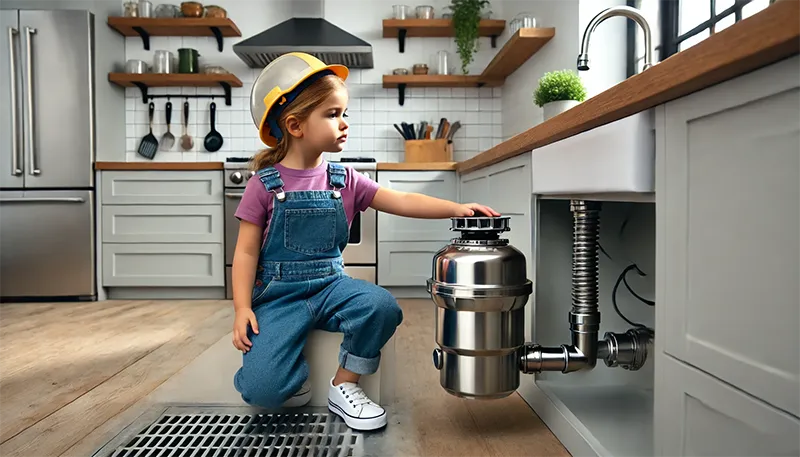
If you have a septic system, you may wonder if installing a garbage disposal is safe. The good news is that many modern garbage disposals are designed to work efficiently with septic systems without causing problems.
These septic-safe disposals grind food waste finely, reducing the risk of clogging and helping to maintain a healthy septic tank.
In this guide, we’ll cover the best garbage disposals for septic systems, including their features, pros, and cons. We’ll also provide tips on how to use a garbage disposal responsibly with a septic system to ensure long-term efficiency and avoid costly repairs.
Buying priorities (start here)
- Fine, multi-stage grind — the single biggest factor for septic use. The finer a unit chops food, the less solid load reaches the tank and the drainfield.
- The septic-load reality — any disposal adds solids to the tank. Factor in more frequent pumping before you buy (see the caution below); it matters more than any single feature.
- Horsepower matched to your household — 1/2 HP for a small home, 3/4 HP for a mid-size family, 1 HP for heavy daily use.
- Stainless grind components — resist corrosion and hold an edge far longer than galvanized steel.
- Sound insulation — SoundSeal (InSinkErator) or SoundSHIELD (Moen) keep operation quiet; nice to have, not essential.
What to check before you buy
- Grind stages — single-stage vs. multi-stage (finer is gentler on the tank)
- Motor horsepower matched to household size (1/2, 3/4, or 1 HP)
- Mount type — does it fit your existing 3-bolt or EZ-mount assembly?
- Under-sink clearance and drain height for the new unit
- Whether it plugs in or is hardwired — this changes the electrical work
- Warranty length on the grinding components
Unit price & DIY vs. calling a pro
New disposal: $80–$400 · DIY install: ~$10–$20 in parts + your time · Typical pro install: $150–$450 labor
Before you install — and a septic reality check
Electrical: cut power at the breaker before wiring or swapping a disposal. A unit is either hardwired or runs on a switched, plug-in circuit under the sink — never work on it live, and confirm the switch is off with the breaker before you touch the wiring.
Septic: a disposal is not free of consequences for a septic system. It adds food solids to the tank, and the U.S. EPA notes that if you use a garbage disposal your tank will need to be pumped more frequently; some septic authorities advise limiting disposal use altogether. Plan to pump on the shorter end of the range — often every 2–3 years rather than 3–5 — and keep grease and fibrous scraps out of the drain.
What Makes a Garbage Disposal Septic-Safe?
Key Features to Look For:
- Bio-Charge Technology:
- Injects enzymes to help break down food waste, supporting the septic tank’s bacterial balance.
- Efficient Grinding:
- Multi-stage grinding breaks down food into fine particles, making it easier for the septic system to process.
- Low Water Usage:
- Disposals that work efficiently with minimal water help prevent overwhelming the septic tank.
- Durability:
- Stainless steel components ensure long-lasting performance.
- Septic Compatibility:
- Disposals specifically labeled as “septic-safe” are designed to minimize impact on septic systems.
Top 5 Best Garbage Disposals for Septic Systems
InSinkErator Evolution Septic Assist (3/4 HP)
Key Features:
- Bio-Charge Technology: Injects enzymes to break down waste.
- MultiGrind Technology: Two-stage grinding for finer waste particles.
- SoundSeal Technology: Quiet operation.
- Stainless Steel Components: Durable and corrosion-resistant.
Pros:
- Specifically designed for septic systems.
- Reduces risk of clogs and odors.
- Quiet operation.
Cons:
- Higher price point.
- Requires periodic Bio-Charge cartridge replacement.
Best For: Households with septic systems looking for a reliable, high-performance disposal.
Waste King L-8000TC (1 HP)
Key Features:
- High-Speed Motor: 2,800 RPM for efficient grinding.
- EZ Mount System: Easy DIY installation.
- Stainless Steel Grinding Components: Long-lasting durability.
- Continuous Feed Design: Quick waste disposal.
Pros:
- Powerful motor for heavy-duty grinding.
- Budget-friendly option.
- Long warranty coverage against corrosion (20-year limited on the L-8000).
Cons:
- Slightly louder operation.
- Lacks Bio-Charge technology.
Best For: Budget-conscious homeowners with septic systems.
Moen GX50C Prep Series (1/2 HP)
Key Features:
- SoundSHIELD Technology: Noise-reducing insulation.
- Compact Design: Fits in tight spaces under the sink.
- Stainless Steel Components: Durable and resistant to rust.
- Vortex Motor: High-speed motor (2,600 RPM).
Pros:
- Compact and space-saving design.
- Quiet operation.
- Energy-efficient motor.
Cons:
- Best for light to moderate use.
- Not ideal for heavy-duty grinding.
Best For: Small households or apartments with septic systems.
InSinkErator Badger 5 (1/2 HP)
Key Features:
- Dura-Drive Induction Motor: Reliable and efficient.
- Compact Design: Fits most kitchen sinks.
- Galvanized Steel Components: Affordable and durable.
- Quick Lock Mounting System: Easy installation.
Pros:
- Affordable and reliable.
- Easy to install and maintain.
- Trusted brand reputation.
Cons:
- Louder operation compared to premium models.
- No advanced grinding or enzyme technology.
Best For: Moderate use in small to medium households with septic systems.
Franke WD100LC (3/4 HP)
Key Features:
- High-Torque Motor: Efficient grinding with minimal jams.
- Sound Insulation: Quiet operation.
- Septic-Friendly Design: Fine grinding suitable for septic systems.
- Easy Installation: Quick-mount system.
Pros:
- Reliable and durable performance.
- Quiet and efficient grinding.
- Septic-safe design.
Cons:
- Slightly more expensive.
- Requires regular maintenance.
Best For: Medium-sized households looking for a durable, quiet disposal.
How to Choose the Best Garbage Disposal for Septic Systems
Consider Motor Power
- 1/2 HP: Ideal for small households and light food waste.
- 3/4 HP: Suitable for medium-sized families.
- 1 HP: Best for large households with frequent use.
Bio-Enzyme Technology
- Look for disposals like the InSinkErator Evolution Septic Assist that include enzyme treatments to help break down waste.
Noise Levels
- Opt for models with sound insulation features like SoundSeal (InSinkErator) or SoundSHIELD (Moen).
Ease of Installation
- Models with EZ Mount or Quick Lock systems are ideal for DIY installation.
Durability
- Stainless steel components offer longevity and resistance to corrosion.
Tips for Using a Garbage Disposal with a Septic System
- Run Cold Water: Helps flush waste through the system efficiently.
- Use Enzyme Treatments: Supports bacterial balance in the septic tank.
- Avoid Grease and Oils: Prevents clogs in the septic system.
- Grind Small Amounts: Avoid overloading the disposal with large amounts of waste.
- Regular Septic Maintenance: The U.S. EPA recommends pumping a typical septic tank every 3–5 years — but because a disposal adds solids, plan on the shorter end (often every 2–3 years) and inspect on schedule.
FAQs
Can I use a garbage disposal with a septic system?
Yes, but it’s important to choose a septic-safe disposal designed for efficient waste breakdown.
How often should I pump my septic tank if I use a garbage disposal?
Typically every 3-5 years, depending on usage and household size.
What is Bio-Charge technology in garbage disposals?
It injects enzymes into the waste to help break it down in the septic tank, promoting a healthy bacterial balance.
Are high-powered disposals safe for septic systems?
Yes, as long as they are labeled septic-safe and used responsibly.
What foods should I avoid putting in a septic-safe disposal?
Avoid grease, oils, fibrous foods, and non-biodegradable items to prevent septic tank issues.
Conclusion
Choosing the right garbage disposal for your septic system ensures efficient waste management while protecting your septic tank.
Models like the InSinkErator Evolution Septic Assist and Waste King L-8000TC offer reliable performance and septic-safe features.
By following best practices and regular maintenance, you can enjoy the convenience of a garbage disposal without compromising your septic system.
Do you use a septic-safe garbage disposal? Share your experiences and tips on social media to help others make the right choice for their kitchens!
Sources
- Pumping frequency (every 3–5 years) and the note that a garbage disposal means more frequent pumping — U.S. EPA, Frequent Questions on Septic Systems.
- Responsible septic use and maintenance guidance — U.S. EPA SepticSmart.
- InSinkErator Evolution Septic Assist Bio-Charge features and septic guidance — InSinkErator, Garbage Disposals for Septic Systems.
- Waste King L-8000 specifications (1 HP, 2,800 RPM, stainless grind components, 20-year limited warranty) — Waste King L-8000 spec sheet (PDF).
Last verified: Jul 2026