Your home’s sewer lateral — the buried pipe that carries every sink, shower, and toilet out to the municipal main or your septic system — does its job silently, which is exactly why trouble so often goes unnoticed until it becomes a backup or a costly dig. The warning signs usually show up long before a full failure. Learning to read them early can save you thousands of dollars and spare you the mess and health hazards that come with raw sewage inside the house.
According to the U.S. Environmental Protection Agency, sewer lines commonly fail when tree roots enter through defects or openings, when cracks let groundwater seep in, and when lines go too long without maintenance — problems that grow more likely as pipes and joints age. Catching these issues while they are still small, before they escalate into an overflow or a collapsed line, keeps a minor repair from turning into an emergency replacement.
Most likely causes, ranked
When a residential sewer line acts up, a handful of culprits account for the large majority of cases. Roughly in order of how often they turn up on a camera inspection:
- Tree-root infiltration — roots find their way into existing joints and cracks, then expand them; this is the single most common cause of sewer blockages.
- Aging or failed pipe and joints — older clay, cast-iron, or Orangeburg lines crack, corrode, and pull apart at the joints as they age.
- A bellied or sagging line — a low spot where the pipe has settled traps waste and water, causing recurring slow drains and clogs.
- Ground shift and corrosion — soil movement, freeze/thaw cycles, and corrosive conditions warp, misalign, or break the pipe over time.
- Grease and non-flushables buildup — fats, oils, wipes, and “flushable” products accumulate until they choke the line.
What a pro will use to diagnose it
A sewer-line diagnosis is not a DIY job, but knowing what to expect — and gathering a few things ahead of time — makes the visit faster and cheaper:
- Camera (video) sewer inspection — a waterproof camera pushed through the line to reveal cracks, root intrusion, bellies, and blockages, and to pinpoint their location
- A pipe locator/sonde — used to mark the exact depth and path of the problem on the surface, so any excavation is targeted rather than exploratory
- Cleanout access — knowing where your cleanout is, and clearing space around it, lets the plumber scope the line without pulling a toilet
- Gather beforehand — which fixtures back up and when, any history of past backups or root cutting, and the home’s approximate age if you know it
What diagnosis and repair actually cost
A camera/video sewer inspection is usually a modest flat fee, and some plumbers credit it toward the repair if you go ahead. The repair itself spans a wide range depending on what the camera finds: a single spot repair on an accessible section is the least expensive; trenchless methods — cured-in-place pipe (CIPP) lining or pipe bursting — sit in the middle and avoid tearing up the yard; and a full dig-and-replace of a long or deep lateral is the most expensive. Depth, length, landscaping, and permits all move the number, so treat any estimate as a ballpark until a plumber has scoped the line.
Camera inspection: modest flat fee · Spot repair: low end · Trenchless lining / pipe bursting: mid range · Full dig-and-replace: high end
Stop and call a pro if you’re dealing with raw sewage or sewer gas
A sewage backup is a biohazard. Raw sewage carries bacteria, viruses, and parasites, and the gas it releases is a genuine hazard. Hydrogen sulfide is toxic and — like the methane also present — flammable, and both can collect in low, enclosed spaces such as basements, crawl spaces, and cleanout pits, where the U.S. Occupational Safety and Health Administration warns they can build to dangerous levels. Do not wade into standing sewage without protection, never bring an open flame near a suspected gas buildup, ventilate the area, keep children and pets clear, and call a licensed plumber (and your utility, if a public main is involved) right away. Chemical drain cleaners will not fix a structural sewer problem and can make cleanup more hazardous.
7 signs your sewer line may need repair
Sewer-line problems usually start subtly before becoming impossible to ignore. Here are the most common signs that the line running from your home may need attention:
1. Frequent backups in toilets or drains
One of the clearest signs of a sewer-line problem is repeated backups. If a toilet backs up regularly, or water drains slowly or not at all across multiple sinks, tubs, or showers at once, the blockage is likely in the main line rather than a single fixture. Common causes include a buildup of grease, hair, and paper, or tree roots that have worked into the line.
Why it matters:
Backups are more than a nuisance. When wastewater has nowhere to go, it can flow back into the home, damaging floors, walls, and belongings and creating unsanitary conditions that pose real health risks to the household.
2. Sewer odor around the property
A persistent sewage smell — in the basement, near floor drains, or out in the yard — is a strong indication of a leak or crack in the line. Sewer gas, which includes hydrogen sulfide, methane, and ammonia, escapes through even small breaches. A properly working system stays sealed and vented, so a lingering odor means something has failed.
Why it matters:
Beyond the discomfort, escaping sewer gas is a health and safety concern: hydrogen sulfide is toxic in high concentrations, and methane is flammable. An odor also signals a breach that will usually worsen over time, leading to more extensive and costly repairs.
3. Slow drains throughout the house
If water drains slowly across the whole house — not just one fixture — the culprit is often a partial blockage in the main line. That can come from accumulated debris or from a sagging section known as a “belly,” a low spot where the pipe has settled and waste collects.
Why it matters:
A slow drain is often the early warning of a larger problem. Left alone, a partial blockage can become a complete one, backing wastewater up into the home. Standing water in the pipe can also attract pests.
4. Unusually lush or green patches on the lawn
A lush lawn is normally a point of pride, but an isolated patch of unusually green, fast-growing, or soggy grass — especially in a line running from the house toward the street — can mean the sewer line is leaking beneath it. Escaping sewage acts as a fertilizer, feeding the grass directly above the break.
Why it matters:
Those green patches often sit over a serious problem. A leaking line can erode soil and create depressions or even sinkholes, and the escaping sewage can contaminate soil and groundwater, raising environmental and health-code concerns.
5. Mold or damp spots in unusual places
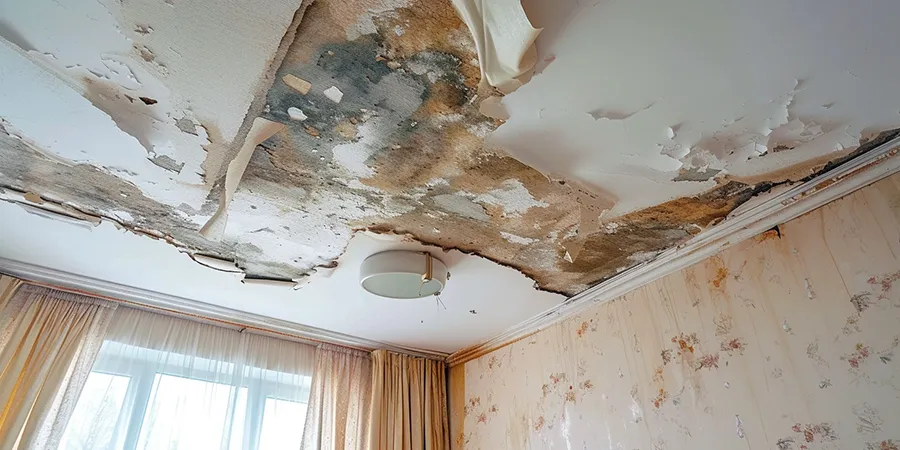
Mold or mildew appearing where it shouldn’t — on lower walls, ceilings, or floors — can point to a leaking line raising the humidity inside the home. A hidden leak keeps the surrounding area damp, creating the conditions mold needs to take hold.
Why it matters:
Mold is a health risk, particularly for people with allergies, asthma, or weakened immune systems, and it can signal a hidden leak that will cause further structural damage if it is not traced and repaired.
6. Foundation cracks or settling
New cracks in a foundation, or noticeable settling, can trace back to a leaking sewer line washing out or eroding the soil beneath the home. As the ground shifts, cracks can appear in walls, floors, or the building’s exterior.
Why it matters:
Foundation problems are serious and can compromise a home’s structural integrity. Left unresolved, the cracks widen and the repair bill climbs — and unaddressed foundation issues can weigh on the property’s value.
7. Rodent or insect intrusion
A sudden uptick in rodents or insects in or around the home can be tied to a compromised sewer line. Cracks and breaks give pests such as rats, cockroaches, and other insects an entry point, drawn by the moisture and food particles inside the pipe.
Why it matters:
Pests are more than a nuisance — rodents can chew wiring and create fire hazards, and their presence often points back to a breach in the line that needs to be found and sealed.
What causes sewer line failure
Understanding what is behind these signs helps you act quickly and choose the right fix. Most residential sewer-line failures trace back to a few recurring causes.
Tree-root infiltration
Tree roots are the most common cause of sewer blockages — U.S. Forest Service research reports that roots cause more than half of all sewer blockages. Importantly, roots rarely crack a sound pipe; as the North Carolina Cooperative Extension explains, they exploit existing joints and cracks, sending in a fine root that then thickens and widens the opening as it feeds on the moisture and nutrients inside.
Why it matters:
Left untreated, roots can fully block the flow of sewage, causing backups and flooding, and can worsen the underlying crack or joint failure. Clearing roots and repairing the pipe generally calls for professional equipment.
Aging pipe and failed joints
Sewer lines do not last forever. Older clay and cast-iron pipes corrode, crack, and separate at the joints over the decades, and mid-century Orangeburg (tar-paper) lines are especially prone to collapse. Even where a home is newer, it may connect to an older municipal main, and the segment you are responsible for — the lateral from the house to the main — ages along with everything around it.
Why it matters:
Aging pipe leads to recurring blockages, leaks, and eventual collapse. If you know your line is old or has a history of trouble, periodic camera inspections are the cheapest way to stay ahead of a failure.
Bellied or sagging line, ground shift, and corrosion
Soil settling can leave a section of pipe sitting in a low spot — a “belly” — where waste and water pool and clog repeatedly. Broader ground movement, freeze/thaw cycles, and corrosive soil conditions warp, misalign, and break pipe over time. Poor original installation, with the wrong slope or loose joints, makes all of this more likely.
Why it matters:
These are structural problems that cleaning alone will not solve. A camera inspection is what distinguishes a simple clog from a bellied or broken section that needs a spot repair or relining.
Grease and non-flushables buildup
Fats, oils, and grease poured down the drain congeal inside the pipe, and “flushable” wipes, paper towels, and sanitary products snag and accumulate. Over time this narrows or chokes the line, often at a joint or a belly where flow is already slow.
Why it matters:
This is the most preventable cause. Keeping grease and non-degradable items out of the drain does more than almost anything else to extend the life of the line.
Steps to take if you spot these signs
If you notice any of the signs above, act promptly to keep a small problem from becoming an expensive one. Work through these steps in order:
- Document what you’re seeing — note which fixtures back up or drain slowly and when, where any odors or damp spots appear, and any patch of unusually green lawn. This record helps a plumber narrow down the problem quickly.
- Locate your cleanout and ease off the plumbing — find the sewer cleanout (often a capped pipe near the house or in the yard) and stop running water into a line you suspect is blocked, so you don’t force a backup indoors.
- Get a professional camera inspection — a licensed plumber can run a video camera through the line to see exactly what’s wrong and where. This is the single most useful diagnostic step and usually costs a modest flat fee.
- Weigh the repair options — based on what the camera finds, compare a targeted spot repair, a trenchless option such as pipe lining or pipe bursting, and a full dig-and-replace. Trenchless methods are less invasive and spare your yard, but the right choice depends on the pipe’s condition, depth, and length.
- Put prevention in place — once the line is repaired, schedule periodic inspections (more often for older lines), address tree roots with a barrier or professional root treatment, and keep grease and non-flushables out of the drain.
Preventing the next problem
A little maintenance goes a long way toward keeping the line clear and extending its life:
- Inspect and clean periodically — a camera inspection and cleaning every few years, and sooner for older lines or after a backup, catches problems before they escalate.
- Manage tree roots — if you have mature trees near the line, consider a root barrier or a professional root treatment, and avoid planting fast-growing species over the lateral.
- Watch what goes down the drain — keep grease, wipes, paper towels, and sanitary products out of the toilet and sink, even those labeled “flushable.”
FAQs
Q: What is the most common cause of sewer line damage?
A: Tree roots are the most common cause of sewer blockages. They enter through existing joints and cracks, then expand and worsen the opening, which can lead to backups and, over time, breaks.
Q: How often should I have my sewer line inspected?
A: There’s no single rule, but a camera inspection every few years is reasonable for most homes — more often if your line is old, made of clay or Orangeburg, or has a history of backups or root intrusion.
Q: Can I use chemical drain cleaners to clear a sewer blockage?
A: It’s best to avoid them. Chemical cleaners can damage pipes, rarely clear a main-line blockage, and won’t touch a structural problem like roots or a break. A mechanical snake or a professional inspection is the better route.
Q: What are the benefits of trenchless sewer repair?
A: Trenchless methods such as pipe lining and pipe bursting repair or replace the line without digging up the whole yard, so they are less invasive and often faster than a full excavation. Whether they’re an option depends on the pipe’s condition, which a camera inspection determines.
Don’t wait for a crisis
Your sewer line is a critical, mostly invisible part of the home, and ignoring the early signs of trouble is what turns a manageable repair into a costly, disruptive one. By recognizing the common warning signs, understanding the usual causes, and getting a camera inspection when something seems off, you can head off the worst outcomes and get many more years out of the line. When in doubt — and especially when raw sewage or sewer gas is involved — call a licensed professional.
Sources & verification
- Causes of sanitary sewer overflows — tree roots entering through defects, cracks admitting groundwater, and inadequate maintenance — U.S. EPA, SSO Frequent Questions.
- Tree root intrusion causes more than 50% of all sewer blockages — U.S. Forest Service Research.
- How tree roots enter sewer laterals through existing cracks, and homeowner lateral responsibility — N.C. Cooperative Extension.
- Hydrogen sulfide in sewers and confined spaces — toxicity, and where it collects — OSHA, Hydrogen Sulfide in Workplaces.
- Hydrogen sulfide flammability and explosive range — OSHA, Hydrogen Sulfide Hazards.
Last verified: Jul 2026