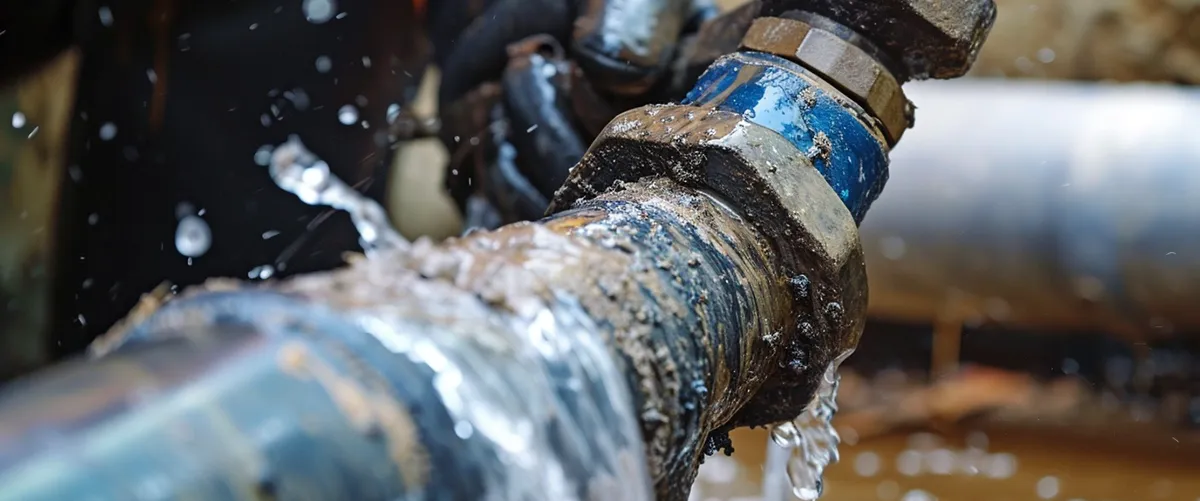
Plumbing leaks are a common issue that can lead to significant damage if not addressed promptly. Understanding the causes of these leaks is crucial for homeowners and property managers alike. This article will explore the various factors that contribute to plumbing leaks and provide insights into how they can be prevented. By identifying the root causes, you can take proactive measures to protect your plumbing system and avoid costly repairs.
Small leaks add up fast. According to the U.S. Environmental Protection Agency’s WaterSense program, the average household’s leaks waste roughly 9,400 gallons of water every year, and household leaks nationwide waste close to 1 trillion gallons annually — with about 9% of homes losing 50 gallons or more a day to leaks. Catching a leak early is often the difference between a cheap fix and a ruined floor, so it pays to know both what causes leaks and how to spot one before it spreads.
Most common causes of household leaks (start here)
When a home springs a leak, a handful of culprits account for the large majority of cases. Roughly in the order you should suspect them:
- Corrosion and aging pipes — older metal pipes corrode and thin from the inside, eventually weeping or failing at the weakest point.
- High water pressure — pressure above code limits strains pipes, joints, and fixtures and shortens their life.
- Worn seals, washers, and fittings — the rubber washers and gaskets inside faucets, valves, and supply lines dry out and give way, the single most common source of a drip.
- Clogs that back up and stress the line — debris, grease, and hair build pressure behind them, which can force water out at a joint or fixture.
- Temperature swings and freezing — pipes expand, contract, and can burst outright when water inside them freezes.
- Loose or poorly made connections — a fitting that was never tightened properly, or one shaken loose over time, seeps slowly until you notice the stain.
What to check for leaks with
You can run a basic leak check with a handful of everyday tools before calling anyone:
- A water pressure gauge — screws onto a hose bib or laundry faucet to read your static pressure, so you can confirm it’s in the safe band and not stressing the system
- A flashlight or headlamp — for inspecting under sinks, behind toilets, and in the basement or crawl space where drips hide
- A moisture meter — reads dampness behind walls and under floors to help pin down a leak you can’t see
- Your water meter — the single best whole-house leak detector you already own; see the meter test steps below
- An adjustable wrench — to snug a loose supply-line nut or packing that’s weeping (gently — over-tightening cracks fittings)
Common Causes of Plumbing Leaks
Plumbing leaks can arise from various sources. Here are some of the most common causes:
Corrosion
- Chemical reactions between metal pipes and water can lead to corrosion.
- Older pipes are particularly vulnerable to corrosion, which can weaken them over time; galvanized-steel and aging cast-iron lines are the usual suspects, and their service life varies widely with water chemistry.
- Regular inspections can help identify early signs of corrosion.
High Water Pressure
- Excessive water pressure strains pipes, joints, and fixtures, and over time it leads to leaks.
- Most plumbing codes cap household static pressure at 80 psi and require a pressure-reducing valve above that limit; EPA WaterSense recommends incoming service pressure of 45–60 psi (many plumbers cite a 40–60 psi comfort range).
- Installing or adjusting a pressure regulator keeps water pressure in the safe band — if you’re troubleshooting pressure across the house, see our guide to whole-house water pressure.
Worn Seals, Washers, and Fittings
- The rubber washers, O-rings, and gaskets inside faucets, valves, and supply lines dry out and crack with age.
- A dripping faucet or a damp spot at a shutoff valve usually traces back to a worn seal, not the pipe itself.
- Replacing a washer or supply line is one of the cheapest, most common leak fixes there is.
Clogs
- Clogs caused by debris, grease, and hair can create pressure buildup in pipes.
- This pressure can lead to leaks if not addressed promptly.
- Using drain strainers and proper waste disposal can prevent clogs.
Temperature Changes
- Pipes can expand and contract due to temperature fluctuations.
- Water expands as it freezes, and the American Red Cross notes that no matter how strong the pipe, that expansion can force it to break — a burst pipe means a major leak.
- Insulating pipes can help mitigate the impact of temperature changes.
Poor Pipe Insulation
- Uninsulated pipes are at risk of freezing and bursting in cold climates.
- Proper insulation can prevent these issues and extend the life of your plumbing system.
- Focus on insulating exposed pipes in unheated areas like basements, attics, and crawl spaces.
Deterioration of Piping
- Over time, pipes can deteriorate due to aging infrastructure and wear.
- Regular inspections can identify weak points in the plumbing system.
- Replacing old pipes can prevent leaks and improve system reliability.
Faulty Installation and Workmanship
- Incorrect installation of pipes and fixtures, or a connection that was never tightened properly, can lead to leaks.
- Hiring a professional plumber ensures proper installation and reduces the risk of leaks.
- Quality workmanship is essential for a reliable plumbing system.
Understanding these causes of plumbing leaks is the first step in preventing them. By addressing these issues proactively, you can protect your home from water damage and maintain a healthy plumbing system.
DIY vs. pro: what common leak fixes cost
The cost of a leak repair depends almost entirely on where the leak is. A worn washer, a weeping faucet supply line, or a loose compression fitting is usually a DIY job costing little more than the part — a few dollars and a wrench. Repairing a visible fitting or replacing a short run of accessible pipe is a modest handy-homeowner or plumber job. A hidden leak is a different animal: finding a leak inside a wall, under a slab, or in a buried line takes specialized equipment (acoustic and thermal leak detection), and the repair may mean opening walls or breaking concrete — squarely professional territory, and the high end of the range. As a rule, any wet spot with no obvious source is a call-a-pro situation.
Replace a washer / supply line (DIY): parts only, a few $ · Fix or replace an accessible fitting: low · Pro find & repair of a hidden or slab leak: high end
Water near electricity, and hidden leaks, are serious — shut the main first
Water and electricity don’t mix, and a hidden leak does more damage than the water you can see. If a leak has reached outlets, wiring, or the base of an appliance, treat it as a shock and fire hazard: don’t touch standing water near electrical, and cut power to the affected area at the breaker before you go near it. A leak you can’t see is worse still — trapped moisture breeds mold within a day or two and, left alone, can rot framing and undermine the structure of the home. When a leak is active and you can’t stop it at the fixture, shut off your home’s water at the main; if you’re not sure where that is, read our guide on how to locate and use your main shutoff valve. When a leak is hidden, spreading, or anywhere near electricity, call a licensed plumber.
How to check your home for a hidden leak
Not sure whether you have a leak? Your water meter will tell you. EPA WaterSense recommends this simple meter test — work through it in order:
- Shut off all water — turn off every faucet, appliance, and fixture in and around the house, and hold off on running the dishwasher, washing machine, or ice maker so nothing is drawing water.
- Read your water meter — note the exact reading, and look for the leak indicator: a small triangle, star, or gear on the meter face that spins whenever water is moving through the line.
- Wait without using any water — EPA WaterSense suggests checking the meter before and after a two-hour window when no water is being used.
- Read the meter again — if the number has changed, or the leak indicator moved at all while everything was off, water is escaping somewhere and you have a leak.
- Narrow it down — start with toilets (add a few drops of food coloring to the tank; color that appears in the bowl without flushing means a leaking flapper), then check faucets, supply lines, and around the water heater. If you can’t find the source, call a plumber to trace a hidden or underground leak.
Preventive Measures
Taking proactive steps can significantly reduce the risk of plumbing leaks. Here are some effective preventive measures:
Regular Inspections
- Conduct periodic plumbing checks to identify potential issues early.
- Look for signs of leaks, such as water stains, mold, or dampness.
- Regular inspections can help catch small problems before they become major repairs.
Maintaining Moderate Water Pressure
- Use a pressure regulator to keep water pressure within safe limits — below the 80 psi code cap, ideally in the 45–60 psi range.
- Regularly monitor and adjust water pressure to prevent strain on pipes.
- Maintaining moderate water pressure can extend the life of your plumbing system.
Proper Waste Disposal
- Avoid disposing of harmful items like grease, coffee grounds, and hair down the drains.
- Use drain strainers to catch debris and prevent clogs.
- Proper waste disposal reduces the risk of pressure buildup and leaks.
- Insulate exposed pipes, especially in unheated areas like basements and attics.
- Pipe insulation helps prevent freezing and bursting during cold weather.
- Insulating pipes is a cost-effective way to protect your plumbing system.
Professional Maintenance
- Schedule regular maintenance with a professional plumber to assess your system.
- Professional evaluations can identify potential issues and recommend solutions.
- Investing in professional maintenance can prevent costly repairs in the future.
Installing a Water Softener
- Consider installing a water softener if your home has hard water.
- Water softeners reduce mineral deposits that can corrode pipes.
- A water softener can improve the longevity and efficiency of your plumbing system.
FAQs
Q: What are the signs of a plumbing leak?
A: Look for water stains, increased water bills, and the sound of running water when no fixtures are in use. The surest check is the water-meter test: with everything off, watch whether the meter moves.
Q: How often should I inspect my plumbing?
A: It’s recommended to inspect your plumbing at least once a year, and to run the meter leak test if you suspect a hidden leak.
Q: Can high water pressure damage my pipes?
A: Yes. High water pressure strains pipes, joints, and fixtures and can lead to leaks or bursts. Most plumbing codes cap household static pressure at 80 psi and require a pressure-reducing valve above that; EPA WaterSense recommends 45–60 psi.
Q: Why is pipe insulation important?
A: Insulation prevents pipes from freezing and bursting in cold weather. Because water expands as it freezes, it can break even a sound pipe, so insulating exposed lines in unheated areas reduces the risk of leaks.
Conclusion
By implementing these preventive measures, you can significantly reduce the risk of plumbing leaks and protect your home from potential water damage. Regular inspections, maintaining moderate water pressure, and proper waste disposal are simple yet effective strategies to ensure a healthy plumbing system. Additionally, investing in professional maintenance and installing a water softener can further enhance the longevity and efficiency of your plumbing.
Understanding the causes of plumbing leaks and taking proactive steps to prevent them is crucial for maintaining a reliable plumbing system. Run the meter test if something seems off, know where your main shutoff is, and don’t hesitate to call a professional for a hidden or spreading leak — catching problems early is what keeps a small drip from becoming a costly repair.
Sources & verification
- Average household leaks waste roughly 9,400 gallons per home each year — U.S. EPA WaterSense, Statistics and Facts.
- Household leaks nationwide waste nearly 1 trillion gallons annually; about 9% of homes have leaks that waste 50+ gallons per day; and the water-meter leak test (check the meter before and after a two-hour no-use period) — U.S. EPA WaterSense, Fix a Leak Week.
- Plumbing codes require a pressure-reducing valve where static service pressure exceeds 80 psi, with a recommended service pressure of 45–60 psi — U.S. EPA WaterSense, Service Water Pressure Technical Fact Sheet.
- Uniform Plumbing Code §608.2: static water pressure above 80 psi requires an approved pressure regulator to reduce it to 80 psi or less — UPC §608.2, Excessive Water Pressure.
- Water expands as it freezes and can break even a strong pipe; insulate supply pipes in unheated areas — American Red Cross, Preventing and Thawing Frozen Pipes.
Last verified: Jul 2026